
Landmark briefing sets out how business events power the UK’s Industrial Strategy
The Events Industry Alliance (EIA) has published a landmark briefing this week setting out the critical role UK’s trade shows, exhibitions and conferences play in delivering the government’s Modern Industrial Strategy. The document - How Business Events Power the UK’s Industrial Strategy - sets out how the sector supports each of the Strategy’s eight priority sectors. It makes the case that business events are not a sideline to the government’s growth agenda but part of the infrastructure that delivers it and sets out what government can do to unlock their full potential.
The briefing goes beyond the events themselves. It draws on the businesses at the forefront of the government’s industrial strategy, who report first-hand the commercial value of attending business events, with testimonials from businesses like Yamazaki Mazak and Babcock that drive innovation and growth across the key growth sectors.
Business events are often seen exclusively as part of the visitor economy but, as well as driving visitors to the UK, they are also a crucial part of the country’s economic infrastructure, acting as marketplaces in their own right and providing a platform for companies to find customers, secure investment, export, and build the supply chains that growth depends on. The sector contributes billions to the UK economy each year and supports hundreds of thousands of jobs in every region.
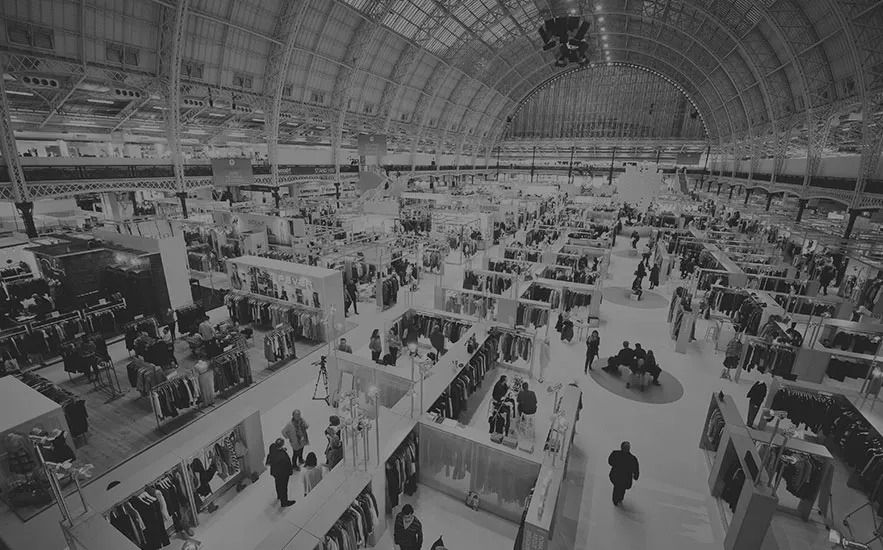
That value is clearest in the business done on the show floor. MACH, the UK’s largest advanced manufacturing exhibition, accounts for £200 million of business over five days. At Farnborough International Airshow in July, trade association ADS reported £62.9 billion of deals announced across the first four trade days, with more than £10.8 billion of economic value expected for UK aerospace. The same pattern runs through technology, defence and the creative industries.
This contribution was recently set out by the Culture, Media and Sport Committee, who called on the government to recognise the economic potential of business events by adopting a national strategy.
The government’s National Events Strategy presents an opportunity to do exactly that, and the EIA believes there is a compelling case for the sector to have a dedicated chapter within the wider strategy, recognising that business events make a different economic contribution and often face different challenges from sporting and cultural events.
Alongside this chapter, the EIA is calling for a structured approach to ministerial attendance at priority business events, and for long-term ownership of the sector to sit with the Department for Business, Innovation, Science and Trade.
The prize for getting this right is significant. Business events already contribute £33.6 billion to the UK economy across the regions. With the right support, business events can help turn the Industrial Strategy’s priority sectors into lasting regional strengths. From MACH at the NEC in the West Midlands to All-Energy + Dcarbonise at the Scottish Event Campus, and the Wales Manufacturing & Supply Chain Conference & Exhibition at ICC Wales, the benefits reach well beyond London. Farnborough alone is linked to £708 million of investment benefitting around 600 British companies and academic institutions and backing around 4,500 skilled UK jobs, roughly 90% of them outside London.
The EIA looks forward to working constructively with government, Parliament and the wider sector to ensure business events are recognised for the contribution they make to the Industrial Strategy and to the UK’s economic growth.
Rachel Parker, director, EIA, and CEO, AEV, said: “Business events are where the Industrial Strategy’s priority sectors win customers, investment and international partners. Other countries have recognised this and are backing their sectors accordingly. With the right support, and a return to the ambition we showed before the pandemic, the UK can strengthen its position as a global destination for trade, investment and innovation.”
* The £33.6 billion figure is from UKevents, UK Events Report 2024, as cited by the Culture, Media and Sport Committee in its report Business events (HC 335, 6 July 2026). Farnborough figures are from ADS, 23 July 2026.
For enquiries, contact Joseph Smith at joseph.smith@henhamstrategy.co.uk.